As the economic outlook remains uncertain and with budget deficit reduction the name of the game for many governments, businesses must continue to strip out cost. Reducing business travel spend not only reduces the cost of doing business, it also prevents your company for paying more than necessary into the tax system.
Fuel prices are escalating. Some of this is demand based, but other components of the price include subsidies for the shift to renewable energy or carbon taxes. The Carbon Reduction Commitment, the UK’s first mandatory scheme to make ‘polluters pay’ targets big private and public sector consumers of electricity – those that in 2008 metered usage per half hour was greater than 6000 Mwh. This equated to an annual bill of around £500,000 in Oct 2010.
“That’s got nothing to do with us!” chimes 75% of the business sector. That may be true now but the trickle down effect is going to be felt by mid-market and smaller organisations. The Climate Change Bill commits the UK to a 60% reduction in CO2 by 2050. It’s a gradual process; however the first milestones are coming up fast – 2020 – so going forward, taking control of travel spend is vital if we are to minimise HMRC’s slice. Here are some ideas for reducing travel expenditure.
Do you really need to travel (is a conference call better?)
Why physically travel to a meeting when you can telephone, voice or video conference? No time, fuel or cash wasted on physical travel, just send your image and voice at the speed of light. Sending the physical you, teleporting – as in ‘Beam me up Scotty’ – will be a game changer, but don’t expect it anytime soon.
Car sharing
If you’re lucky enough to only need space for a toothbrush and a laptop when you use the car for business and don’t have to get involved in the school run, then the Ferrari 458 is the one for you. We wish. Most of us have at least 4 seats, so if we have to drive, why not use them in a way that is carbon tax friendly to the business? Why take two or more cars when you can take one to a meeting?
Environmentally friendly cars
They may not have the adrenaline releasing performance or head turning looks but have you looked at the tax incentives for environmentally friendly cars? Lower road tax, better fuel economy, lower insurance; and state of the art hybrid technology make them hard to ignore.
Consolidate business meetings
If at all possible, try doubling up on meetings. If you have to travel, why not try to arrange two or three meetings in close proximity if it makes make geographical and business sense? If it’s not possible to travel there and back in one day and an overnight stay is required why not try to schedule meetings a day apart?
Do you have to fly business class?
Air travel may be a necessity for some businesses. And what ever class you travel the tax policy seems to be uniformly applied. So the best way to reduce air travel costs is to minimise journeys and purchase the lowest cost ticket. While this realistic for short-haul, long haul economy travel leaves a lot to be desired. But if it’s long haul, why not overnight to recover from an economy trip before business?
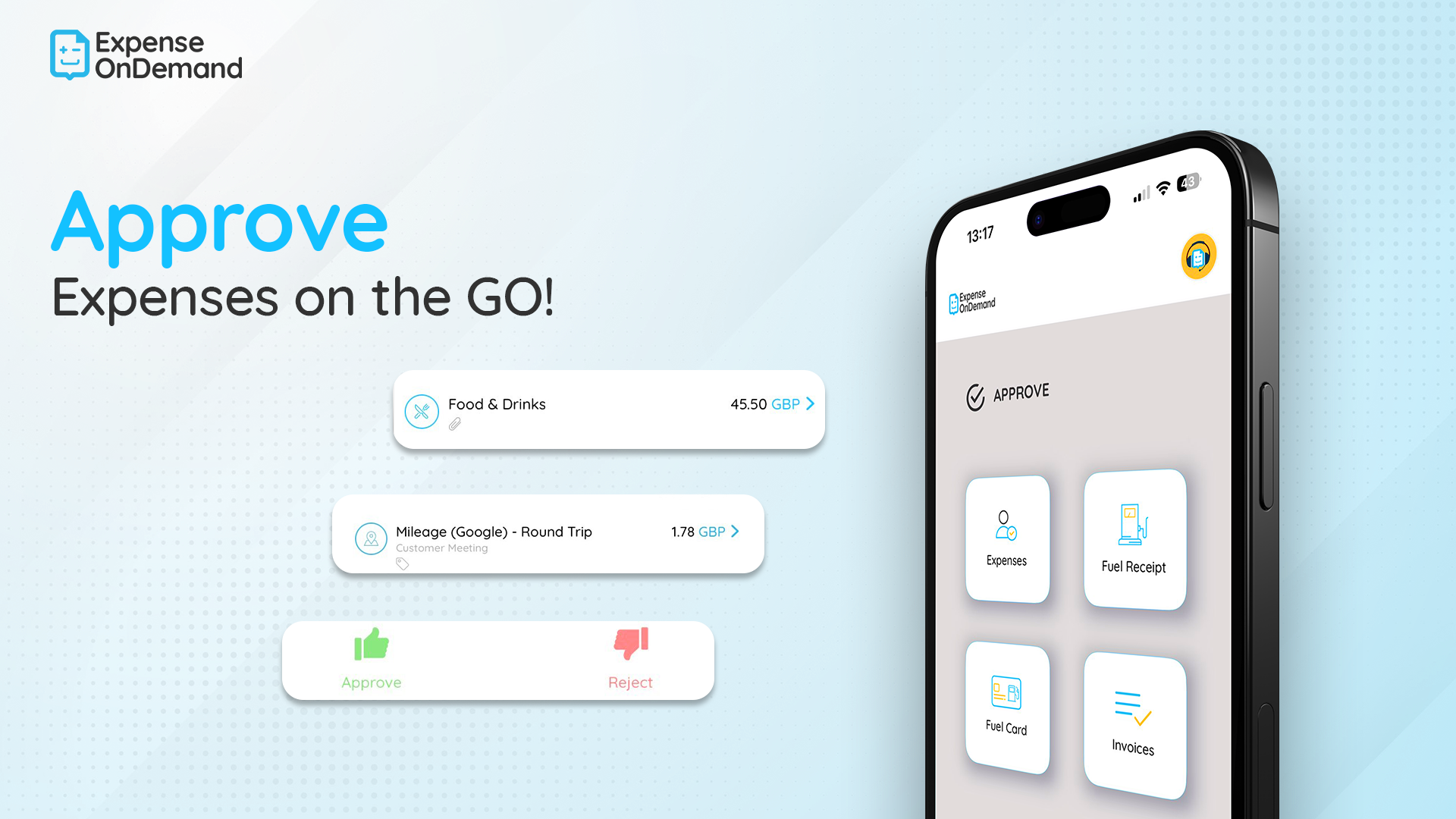
This Expenses Management white paper explains how Expense on Demand helps reduce the cost of doing business by controlling T&E spend.